

Gynecomastia
In Long Island, NY
Bienstock Cosmetic Surgery offers specialized solutions for men seeking to treat gynecomastia in Long Island, NY. This procedure addresses the enlargement of male breast tissue to create a firmer, more masculine chest contour. By removing excess glandular tissue or fat, patients can achieve a more proportional physique and renewed self-esteem.
Understanding Male Breast Tissue Enlargement
Gynecomastia is a condition characterized by the development of excess breast tissue in men, which can affect one or both sides of the chest. It is often caused by hormonal fluctuations, certain medications, or genetic factors rather than simple weight gain. This condition frequently results in physical discomfort and emotional distress for those affected.
Before & Afters
Visualizing Your New Chest Contour
Male Breast Reduction Procedure Overview
The surgical approach to reducing male breast tissue is tailored to the specific needs of each patient. Depending on whether the enlargement is caused by fatty deposits, glandular tissue, or both, different surgical techniques are employed. The goal is to produce a flatter chest that aligns with the patient’s natural anatomy.
Your Consultation and Surgical Preparation
- Reviewing Your Medical History
During your initial visit, a thorough review of your health history and current medications is conducted. This step ensures that the underlying cause of the tissue enlargement is understood before moving forward with a surgical plan. It also helps determine if any medical tests are needed prior to the procedure.
- Developing Your Individualized Plan
Every patient presents with a unique anatomical structure and specific aesthetic goals. Your surgeon will evaluate the ratio of fatty tissue to glandular tissue to decide if liposuction, excision, or a combination is best. This personalized approach ensures the most natural-looking results for your body type.
- Preoperative Instructions for Patients
Patients receive detailed guidance on how to prepare for their upcoming surgery, including rules for fasting and medication adjustments. You will be advised to avoid certain anti-inflammatory drugs and smoking to support the body’s natural healing process. Arranging for a companion to assist you after the procedure is also a vital part of preparation.
The Surgical Process Explained

Administering Anesthesia for Comfort
The procedure is typically performed as an outpatient surgery under general anesthesia or intravenous sedation. This ensures that you remain completely comfortable and relaxed throughout the duration of the surgery. The choice of anesthesia is discussed and finalized during your preoperative appointments.

Removing Fat With Liposuction
In cases where the enlargement is primarily due to excess fatty tissue, liposuction techniques are utilized. Small, inconspicuous incisions are made to allow a thin tube to vacuum out the stubborn fat cells. This method is highly effective for sculpting the chest and refining the overall contour.

Excising Glandular Tissue Directly
When firm glandular tissue or excess skin is present, direct excision is the most effective surgical technique. This allows the surgeon to remove the specific tissue that cannot be addressed by liposuction alone. The nipple and areola can also be repositioned during this step if significant sagging has occurred.

Closing Incisions and Applying Dressings
Once the necessary tissue has been removed and the chest has been reshaped, the incisions are carefully closed with sutures. Sterile dressings and a compression garment are applied to the area to provide support. This compression helps minimize initial fluid buildup and maintains the new shape during the early stages of healing.
Schedule Your Consultation
Healing and Recovery Expectations
The First Few Days
Immediately following surgery, it is normal to experience some swelling and mild discomfort in the chest area. You will be encouraged to rest while keeping your head and torso slightly elevated to manage swelling. Most patients can perform light walking within a day or two to promote healthy circulation.
Weeks One Through Two
Most men are able to return to non-strenuous work and light daily activities within one to two weeks. The use of a compression garment is usually required around the clock during this period to support the tissues. You will have a follow-up appointment to monitor your progress and ensure everything is healing as expected.
Returning to Physical Activity
While light movement is encouraged early on, heavy lifting and vigorous exercise must be avoided for several weeks. Your surgeon will provide a specific timeline for when it is safe to resume chest-heavy workouts or high-impact sports. Adhering to these restrictions is essential for achieving the best possible aesthetic outcome.
Final Stages of Healing
Residual swelling will continue to dissipate over the course of several months, allowing the final contours to become visible. Scars from the incisions will gradually fade and flatten over time, eventually becoming very discreet. Maintaining a stable weight will help preserve the results of the procedure for years to come.
Long-Term Results and Expectations
While initial improvements are visible almost immediately, the final results typically emerge between three to six months post-surgery. These results are designed to be long-lasting as long as the patient maintains a healthy lifestyle. Most men find that the surgery significantly improves their confidence in social and professional settings.
Ideal Candidates for Male Breast Reduction
-
Healthy men with stabilized breast development who have not seen results from diet or exercise.
-
Individuals who maintain a stable weight and do not have life-threatening medical conditions.
-
Non-smokers and those who do not use recreational drugs that may interfere with healing.
-
Men with realistic expectations about the surgical outcome and a commitment to follow-up care.
Benefits of Reshaping the Chest
The primary advantage of this procedure is the restoration of a masculine chest profile that looks natural and proportional. Beyond the physical changes, many patients experience a profound boost in self-confidence and body image. It also allows for greater comfort during physical activities and a wider variety of clothing options.
Cost of Gynecomastia
In Long Island, NY
In Long Island, NY, the cost for treating gynecomastia typically ranges from $4,500–$9,500. This pricing varies based on the specific surgical technique required, the provider’s experience, and the patient’s unique anatomy. Your total investment includes the surgical fee, facility costs, and anesthesia. We encourage you to schedule a consultation at our office to receive a personalized quote tailored to your goals.
Why Choose Bienstock Cosmetic Surgery For Gynecomastia
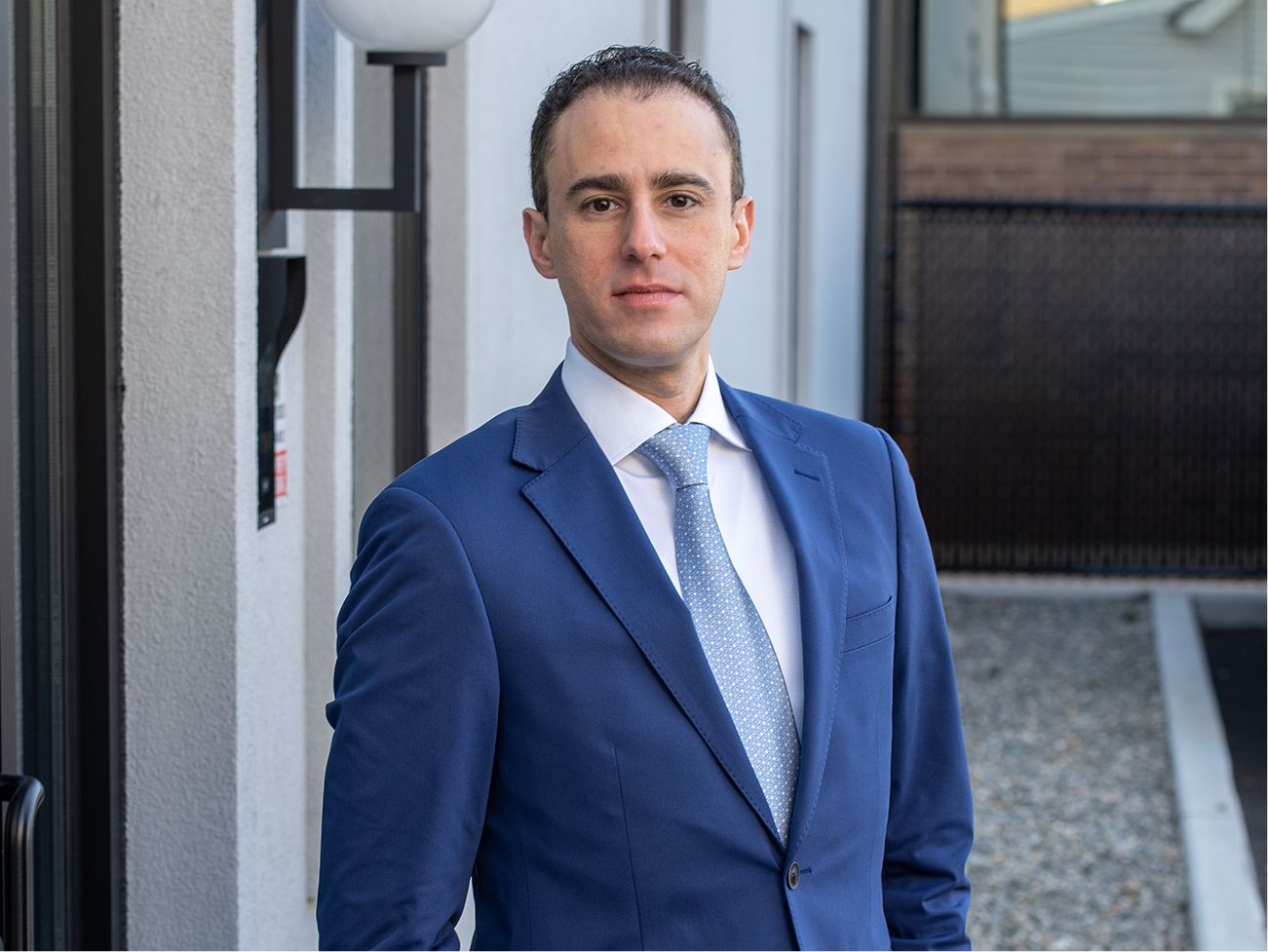
Dr. Daniel Bienstock is a triple board certified cosmetic surgeon with extensive training in body contouring for men. His approach emphasizes individualized care, ensuring that every surgical plan is custom-tailored to the patient’s specific anatomy and lifestyle. At Bienstock Cosmetic Surgery, we prioritize patient education and provide a supportive environment for every step of your journey.
Frequently Asked Questions For Gynecomastia
Is the reduction of breast tissue permanent?
The results are generally permanent because the excess glandular tissue and fat cells are physically removed. However, maintaining a stable weight and a healthy lifestyle is necessary to prevent remaining fat cells from enlarging. Certain medications or hormonal shifts could also potentially impact long-term results.
Will there be noticeable scarring after surgery?
Incisions are strategically placed in inconspicuous areas, such as along the edge of the areola or within the natural folds of the chest. While some scarring is inevitable, these marks typically fade significantly over time and become difficult to notice. Following all postoperative scar care instructions will help ensure the best cosmetic result.
How long do I need to wear the compression garment?
Most patients are required to wear a medical-grade compression garment for approximately four to six weeks. This garment is essential for reducing swelling and helping the skin adhere to the new chest contours. Your surgeon will provide specific instructions on when you can transition to wearing it only at night or stop altogether.
Can this procedure be combined with other surgeries?
Yes, many men choose to combine male breast reduction with other body contouring procedures like abdominal liposuction or a tummy tuck. This comprehensive approach can provide a more dramatic transformation of the entire torso. During your consultation, you can discuss whether a multi-procedure plan is right for you.
Is the recovery process painful?
Most patients describe the recovery as involveing mild to moderate soreness rather than intense pain. Any discomfort is typically well-managed with prescribed or over-the-counter pain medications during the first few days. Most significant discomfort usually subsides within the first week of the healing process.
Surgical Precision and Artistic Excellence