

Facial Implants
In Long Island, NY
Bienstock Cosmetic Surgery offers personalized facial implants in Long Island, NY, to help patients achieve a more balanced and defined appearance. These procedures utilize biocompatible materials to enhance the structure of the chin, cheeks, or jawline. Dr. Daniel Bienstock combines surgical expertise with an artistic eye to create results that complement your natural features.
Understanding Facial Implant Procedures
Facial implants are biocompatible materials designed to enhance the physical structure of the face. These implants add volume and definition to areas like the chin, cheeks, and jawline, providing a permanent solution for structural balance.
Before & Afters
Aesthetic Changes and Reconstruction Goals
How Implants Enhance Facial Structure
These procedures address both cosmetic and reconstructive needs by restructuring the underlying form of the face. Whether restoring function after trauma or improving natural contours, the implants integrate with existing anatomy for a stable result.
Planning Your Facial Transformation
- Initial Consultation and Evaluation
During the first meeting, the surgeon evaluates your facial anatomy and discusses your aesthetic goals. This is a critical time to review medical history and determine if implants are the right approach for your needs.
- Selecting the Right Implant Type
Choosing between chin, cheek, or jaw implants depends on the specific area requiring volume. The size and shape of the implant are tailored to match your natural proportions and desired level of enhancement.
- Pre-Surgical Medical Instructions
Patients are typically advised to avoid certain medications that can affect healing. Maintaining a healthy lifestyle and following pre-operative guidelines ensures the body is ready for the procedure and recovery.

The Step-by-Step Surgical Process

Administration of Anesthesia
The procedure is performed under general anesthesia or intravenous sedation to ensure complete comfort. The choice of anesthesia is discussed beforehand based on the complexity of the implant placement.

Making Precise Incisions
Incisions are strategically placed to minimize visible scarring, often inside the mouth or along natural skin creases. This allows the surgeon to create a pocket for the implant without disturbing external aesthetics.

Positioning the Facial Implant
The implant is carefully inserted into the prepared pocket and secured against the bone. Proper placement is vital for achieving a symmetrical and natural-looking result that complements the rest of the face.

Closing the Incisions
Once the implant is in place, the incisions are closed with sutures. Bandages or specialized dressings may be applied to support the area during the initial stages of healing.
Schedule Your Consultation
What to Expect During Healing
Immediate Post-Operative Care
Most patients experience some swelling and tenderness in the treated area shortly after surgery. It is important to keep the head elevated and follow all care instructions provided by the surgical team.
Managing Initial Swelling
Swelling typically peaks within the first few days and gradually subsides over the following weeks. Using cold compresses as directed can help manage this and improve comfort during the early recovery period.
Dietary Adjustments for Recovery
For implants involving the jaw or chin, a soft food diet may be recommended for a short time. This prevents unnecessary strain on the incision sites while they begin to heal.
Resuming Normal Activities
While most patients return to light activities within a week, strenuous exercise should be avoided for several weeks. The surgeon will provide a specific timeline based on the individual’s healing progress.
Viewing Your New Facial Contours
Preliminary results are visible once the initial swelling goes down, usually within two to three weeks. The final shape of the face will continue to refine over several months as the tissues fully settle.

Who Should Consider This Procedure
-
Individuals with fully matured facial bone structure.
-
Non-smokers in good overall physical health.
-
Those seeking a permanent solution for facial asymmetry.
-
Patients looking to restore volume lost to trauma.
Advantages of Choosing Implants
Facial implants provide a permanent improvement to the facial profile that dermal fillers cannot achieve. They offer a stable, long-term solution for enhancing the projection of the chin or the prominence of the cheekbones.
Cost of Facial Implant
In Long Island, NY
The cost for facial implants in Long Island, NY typically ranges from $4,500–$9,500. This pricing varies based on the type of implant used, surgical complexity, and anesthesia fees. Every patient receives a customized treatment plan with a detailed quote during their initial visit. We invite you to schedule a consultation to receive your personalized estimate.
Why Choose Bienstock Cosmetic Surgery For Facial Implant
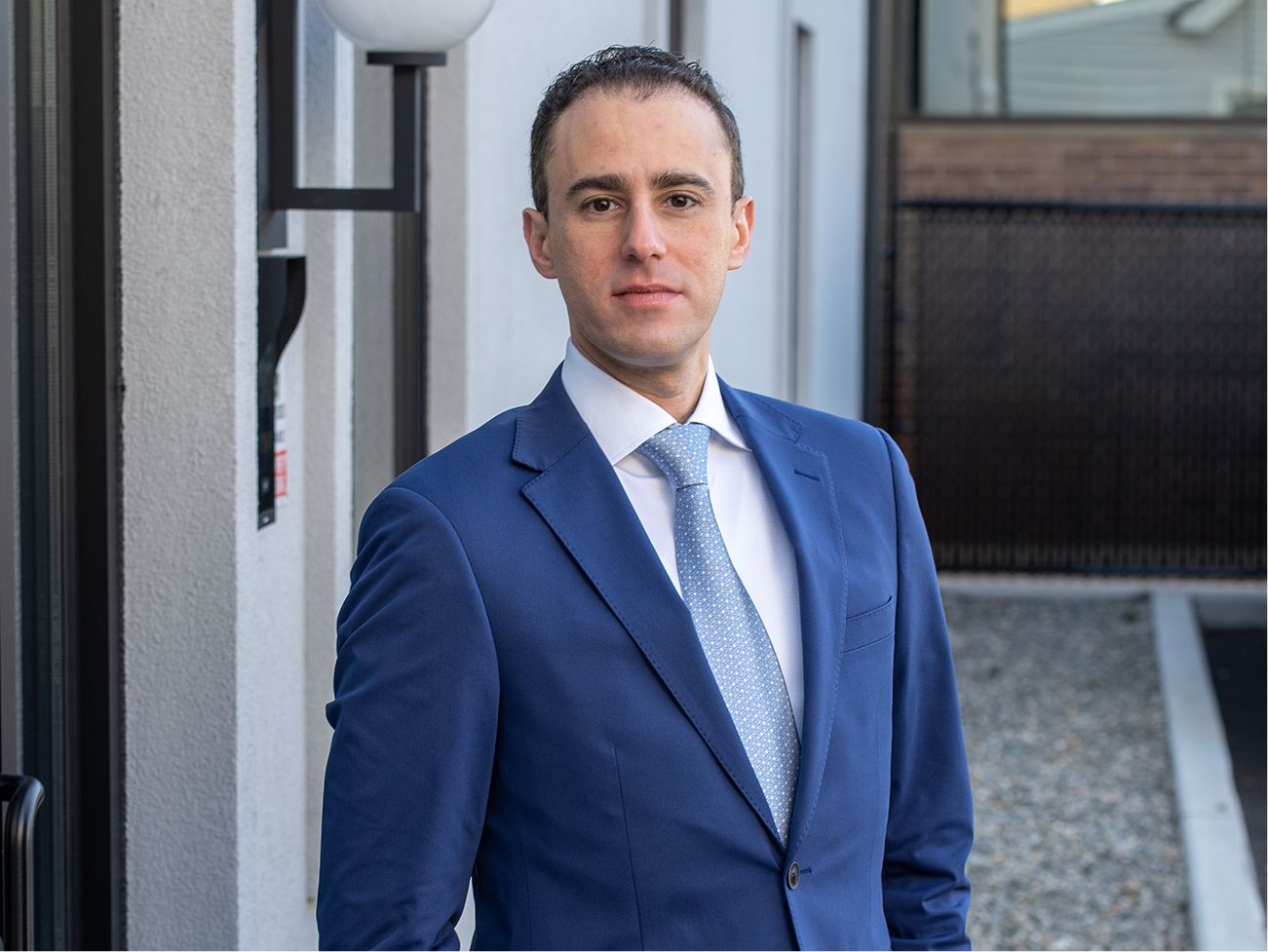
Dr. Daniel Bienstock is a triple board certified surgeon with Ivy League training from Columbia and Harvard. His dual background in cosmetic surgery and maxillofacial reconstruction allows him to approach every procedure with a unique blend of surgical precision and artistic vision.
Frequently Asked Questions For Facial Implant
Are facial implants permanent?
Yes, facial implants are designed to be a permanent solution for structural enhancement. Unlike fillers, they do not dissolve over time and will maintain their shape and position for years.
Will the implants feel natural?
Once fully healed, facial implants are meant to feel like part of your own bone structure. They are placed deep beneath the tissue, so they are not typically detectable to the touch.
Can I combine implants with other surgeries?
Many patients choose to combine implants with procedures like rhinoplasty or a facelift for a more comprehensive rejuvenation. Combining treatments can often provide a more balanced and harmonious overall result.
Where are the scars located?
Scars are usually hidden within the mouth or in the natural creases of the skin under the chin or eyelids. This placement ensures that signs of surgery are discreet and well-concealed.
Is the recovery period long?
Most patients can return to work and social activities within one to two weeks. While some residual swelling may last longer, the most noticeable part of the recovery happens relatively quickly.
Surgical Precision and Artistic Excellence