

Breast Reduction
In Long Island, NY
Bienstock Cosmetic Surgery offers breast reduction in Long Island, NY to help patients achieve a more balanced and comfortable physique. This procedure is designed to reduce the physical and emotional weight of disproportionately large breasts. Our team focuses on providing personalized care to ensure each patient reaches their unique aesthetic goals.
Understanding Reduction Mammaplasty
Breast reduction is a surgical procedure focused on removing excess breast tissue, fat, and skin. This process creates a smaller, lighter breast shape that is more in proportion with the rest of the body. The goal is to address both aesthetic concerns and physical symptoms caused by excessive breast volume.
Before & Afters
Anticipated Results and Visual Changes
The Procedure Overview
This surgery involves reshaping the breasts to achieve a more manageable size and improved contour. By removing redundant tissue, the procedure can lift the breasts and reposition the nipple-areola complex for a balanced appearance. Patients often find that their new proportions allow for greater clothing options and increased physical freedom.
Your Personalized Consultation and Planning
- Discussing Your Aesthetic Goals
During the initial meeting, Daniel Bienstock, MD, FACS evaluates your anatomy and listens to your specific concerns. This is an opportunity to discuss the desired size and shape you wish to achieve. A customized surgical plan is then developed to meet your individual physical requirements.
- Reviewing Medical History
Patients will provide a comprehensive medical history to ensure they are healthy enough for the procedure. This includes discussing previous surgeries, current medications, and any underlying conditions. This thorough review helps in planning a safe and effective surgical experience.
- Preoperative Guidelines for Success
Specific instructions are provided, such as avoiding certain medications that can interfere with healing. Patients are also encouraged to maintain a stable weight and prepare their home for a comfortable recovery period. Following these steps helps streamline the surgical process and supports better long-term outcomes.

The Surgical Process Explained

Administration of Anesthesia
The procedure is performed under general anesthesia to ensure complete comfort throughout the surgery. This allows the surgical team to work precisely while the patient remains in a deep sleep. Anesthesia is administered by qualified professionals who monitor vital signs throughout the duration.

Making the Necessary Incisions
Different incision patterns may be used depending on the amount of reduction required and the patient’s anatomy. Common techniques include the anchor or lollipop patterns, which are placed strategically to minimize visibility. These incisions provide access to the underlying tissue for removal and reshaping.

Removing Excess Tissue and Fat
The surgeon carefully removes the predetermined amount of glandular tissue, fat, and skin. This step is crucial for reducing the weight and volume of the breasts. The remaining tissue is then reshaped to create a firmer and more elevated breast contour.

Closing Incisions and Finalizing
Once the desired shape is achieved, the incisions are closed with sutures to ensure proper healing. Surgical dressings or a support bra are applied to protect the area and manage initial swelling. The entire process is handled with meticulous attention to detail for natural-looking results.
Schedule Your Consultation
Navigating the Recovery Phase
The First Few Days
Patients typically experience some swelling and soreness immediately following the procedure. It is important to rest and limit upper body movements during this initial stage. Most individuals can manage discomfort with prescribed or over-the-counter medications as directed.
Activity Restrictions and Guidelines
Strenuous activities and heavy lifting must be avoided for several weeks to allow the tissues to heal properly. Walking is encouraged to promote circulation, but high-impact exercise should be postponed. Gradually, patients can return to their normal daily routines based on their unique healing progress.
Wearing Support Garments
A specialized surgical bra or compression garment is often required to support the new breast contours. This garment helps minimize swelling and provides stability to the healing tissues. Consistent use as recommended by the surgeon is vital for achieving the intended aesthetic outcome.
Follow-Up Appointments
Regular check-ups are scheduled to monitor the healing process and remove any sutures if necessary. These visits allow the surgeon to ensure that the recovery is proceeding as expected. It is a time for patients to ask questions about their progress and long-term care.
Your Transformation Timeline
While the reduction in weight is immediate, the final shape of the breasts will emerge as swelling subsides over several months. Most patients see a significant difference within the first six weeks of recovery. The full refinement of the breast contour and the fading of incision lines can take up to a year.

Who Benefits Most From Surgery
- Individuals experiencing chronic back, neck, or shoulder pain due to breast weight.
- Patients whose breast size interferes with physical activities or regular exercise.
- Women with persistent skin irritation or rashes under the breast crease.
- Nonsmokers in good health with realistic expectations for their surgical outcome.
Physical and Emotional Advantages
Beyond aesthetic improvement, this procedure offers relief from the physical strain of heavy breasts. Many patients report improved posture and a significant reduction in tension-related headaches. The increase in self-confidence and the ability to wear a wider variety of clothing often enhance overall quality of life.
Cost of Breast Reduction i
In Long Island, NY
The cost for breast reduction in Long Island, NY typically ranges from $8,500–$14,000. This price varies based on the surgeon’s experience, the specific surgical technique used, and the complexity of the case. For a personalized quote tailored to your needs, please contact our office to schedule a consultation.
Why Choose Bienstock Cosmetic Surgery For Breast Reduction
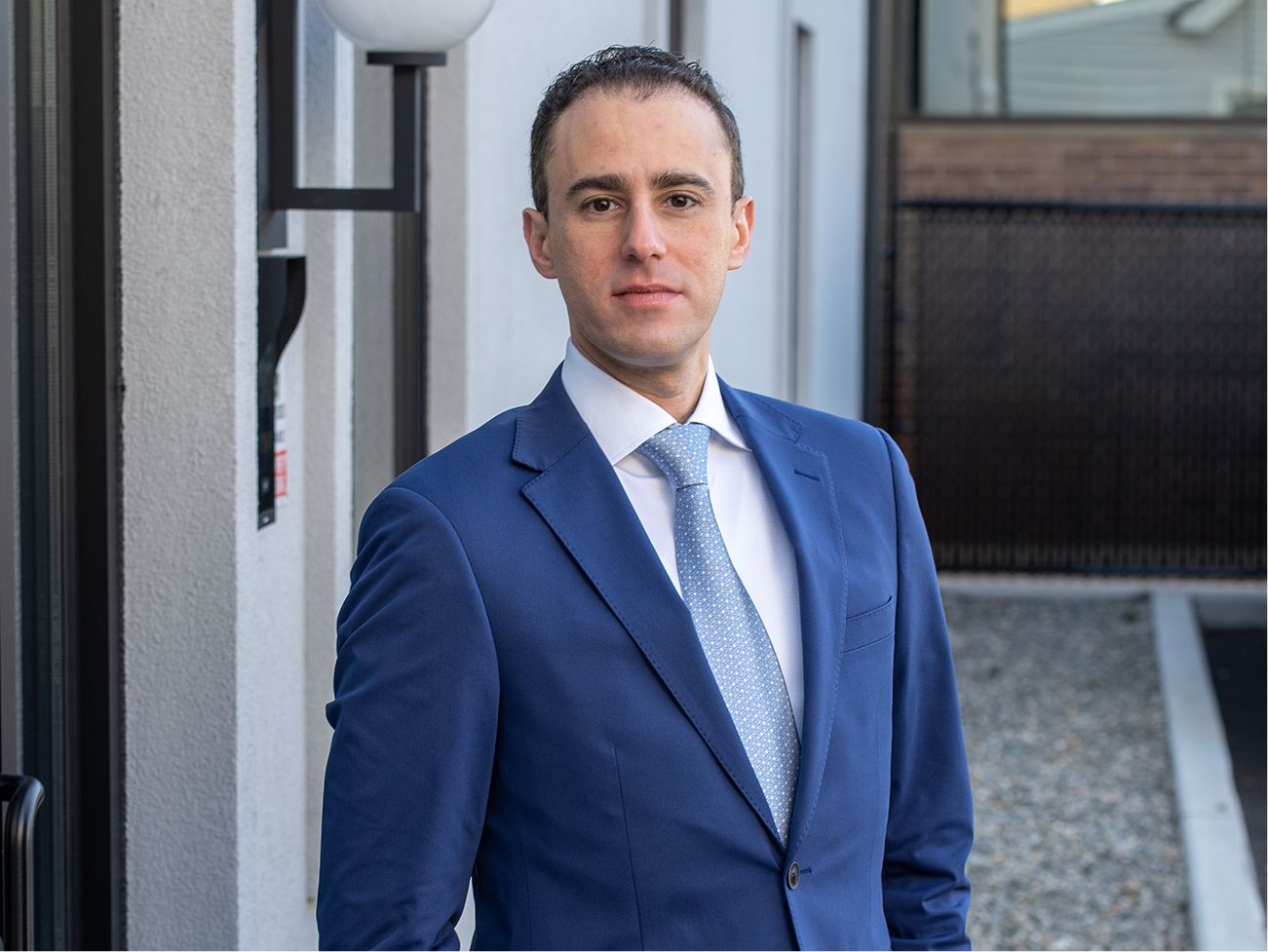
Choosing Dr. Daniel Bienstock ensures you receive care from a surgeon dedicated to natural-looking results and patient safety. Our practice provides a supportive environment where your comfort and goals are the primary focus. We utilize modern techniques to deliver transformative outcomes for every patient in the Long Island area.
Frequently Asked Questions For Breast Reduction
Will I have visible scars after surgery?
Surgical incisions will leave some permanent scarring, but they are placed in areas that are easily hidden by bras or swimwear. Over time, these marks typically fade and become much less noticeable. Following proper scar care instructions will help optimize the healing of incision lines.
Can I combine this with other procedures?
Yes, many patients choose to combine this surgery with a breast lift or liposuction for a more comprehensive transformation. This approach can address multiple concerns in a single operative session. During your consultation, we can discuss which combination of treatments appropriately fits your objectives.
How long do the results last?
The results are generally long-lasting, providing permanent relief from the weight of excess tissue. However, factors like significant weight fluctuations, pregnancy, and natural aging can affect the shape of the breasts over time. Maintaining a stable lifestyle helps preserve the surgical outcome for years to come.
Will I be able to breastfeed later?
While many women are able to breastfeed after a reduction, the procedure can sometimes impact milk production or delivery. If you plan to have children in the future, it is important to discuss this during your consultation. Your surgeon will explain how different techniques might affect your ability to nurse.
When can I return to work?
Most patients are able to return to sedentary office work within one to two weeks following the procedure. If your job involves physical labor or heavy lifting, you may need to wait several weeks longer. Your specific timeline will depend on your individual healing rate and the nature of your occupation.
Surgical Precision and Artistic Excellence